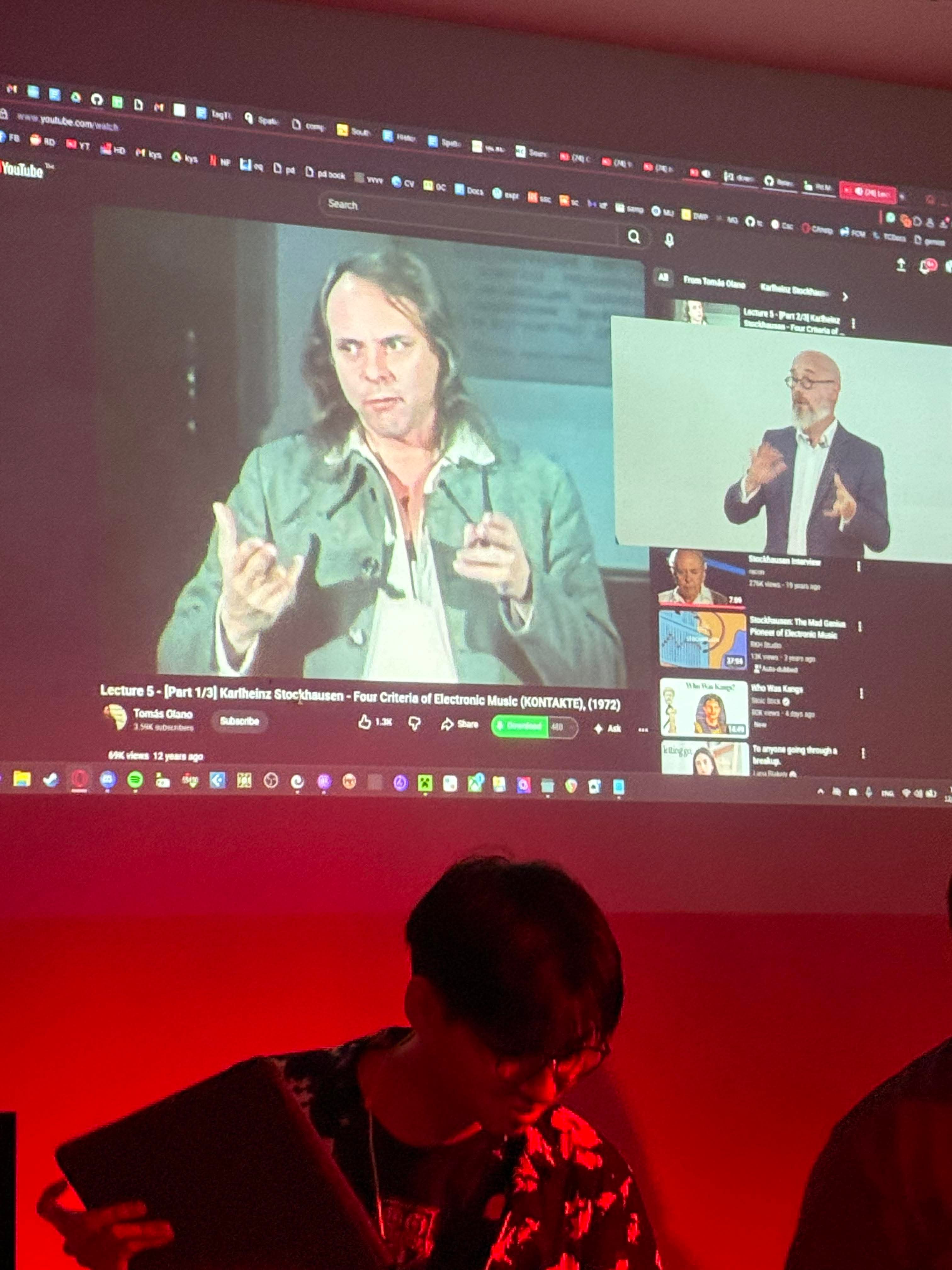
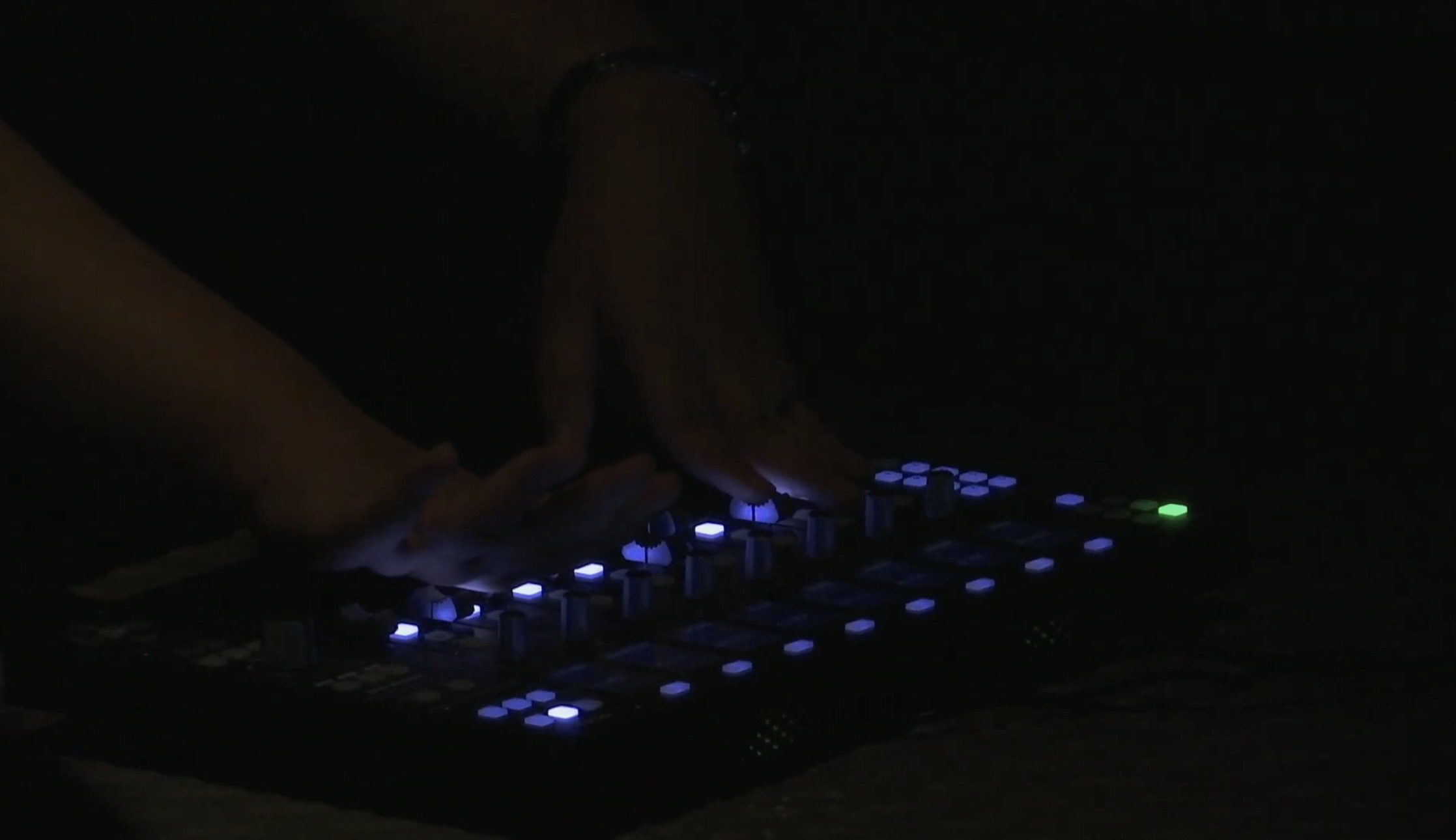
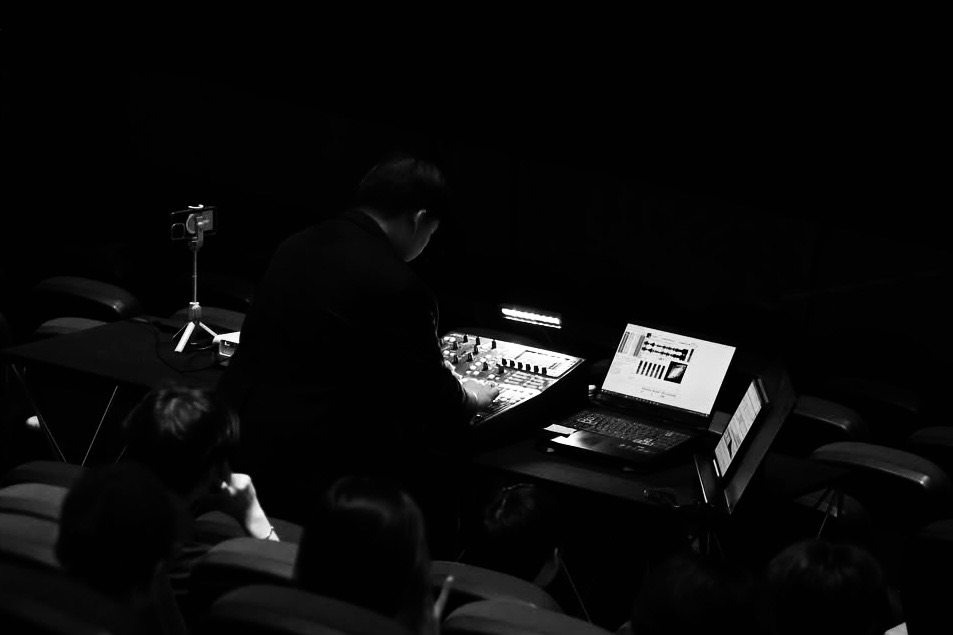
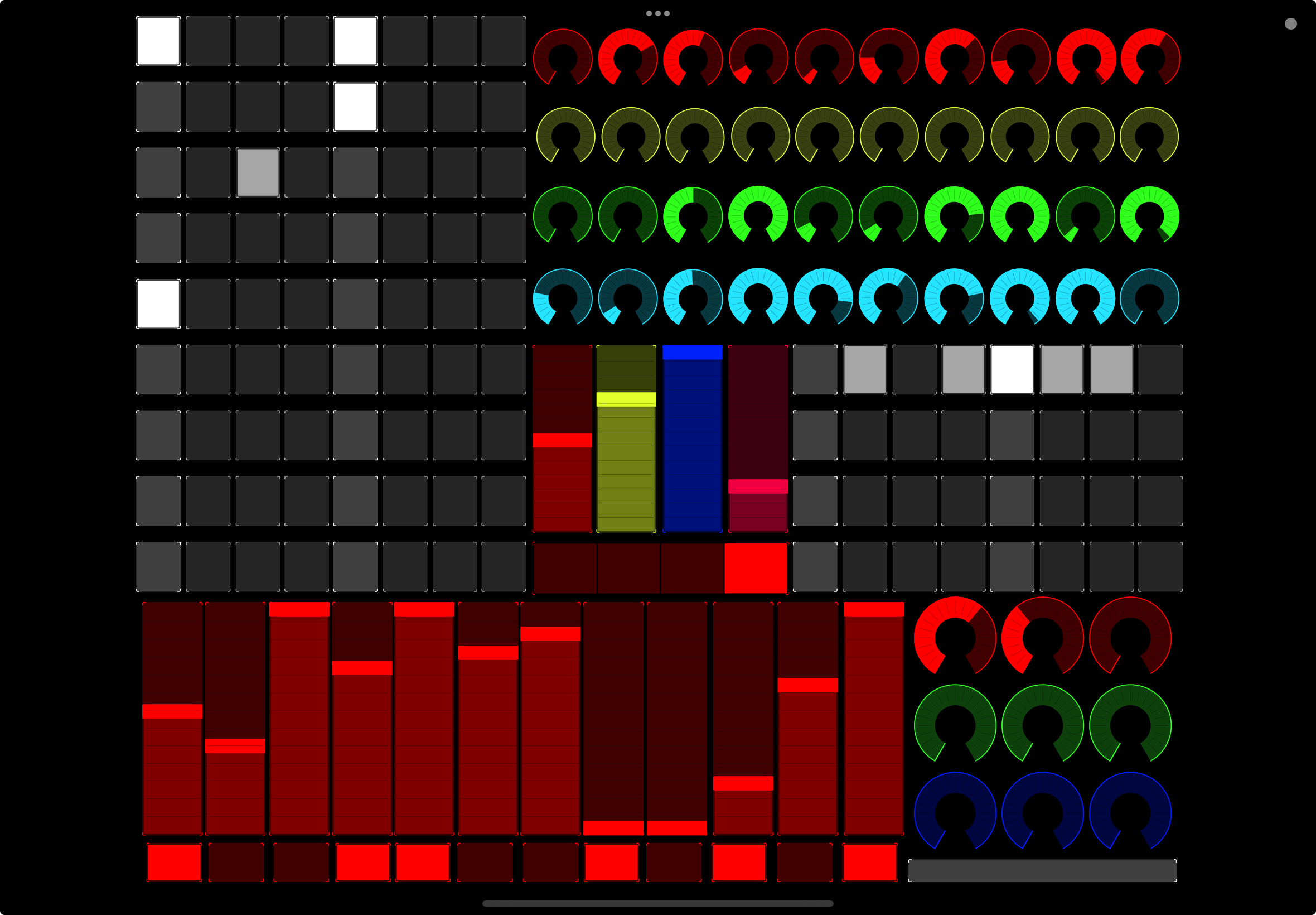
here you'll find a mix of videos and program notes, and memories from my travels and events
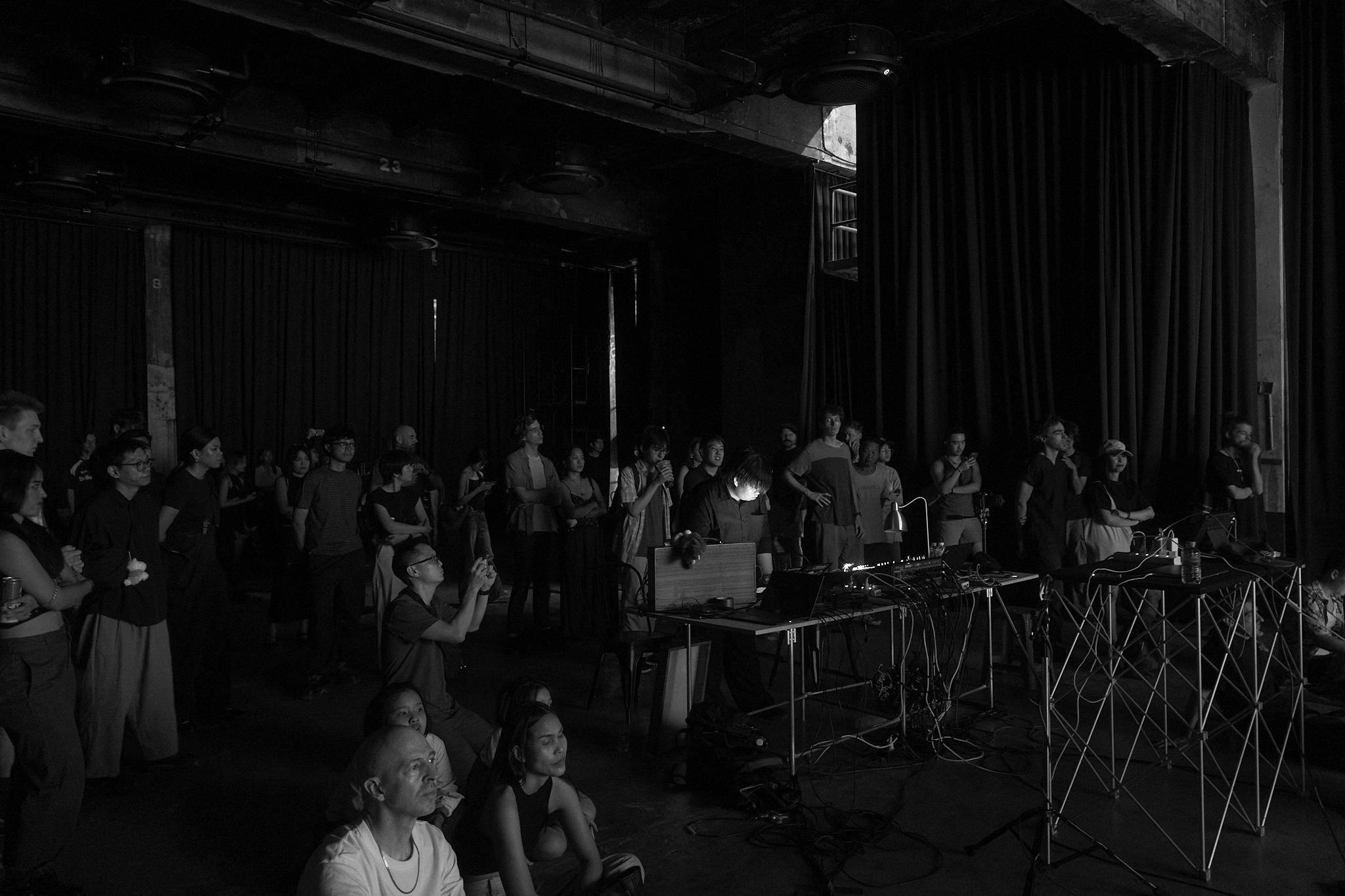
octophonic live electronics with Scott Wilson
"Skytt/Scottky" is based on the portmanteau of our names (my Thai nickname 'Sky' and 'Scott') and the combination of our improvisational practices in general. In a sense, the improvisation in itself is a "Skytt", or rather, a skit, and "Scottky", a random word that somewhat bears similarities to the Schottky diode, in a sense that this improvisation distorts the usual expectation from what a modular synthesizer plugged into a laptop should sound like besides a jumble of wire making some horrible noise.
Improvised for Thailand International Composition Festival 2026, performed on TEAMSpace 12.1.2 system.
for Rinka Lilla Kanemoto
แด่รินกะ ด้วยรักและคิดถึง
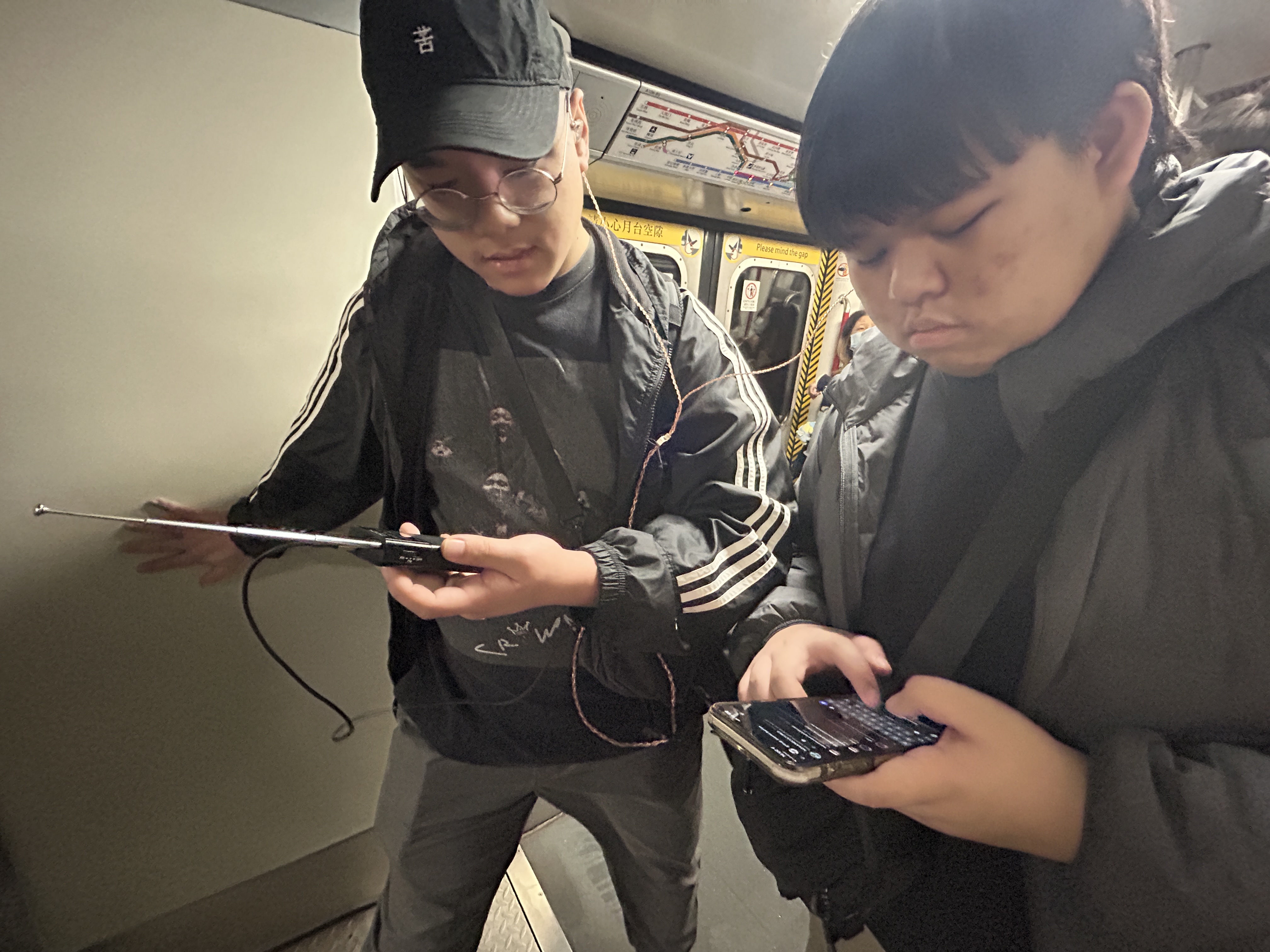
The handy recorder is often regarded as an acousmatician's best friend for its portability and operability in many environments, and its capabilities of giving one an enhanced sonic worldview through monitoring in real-time. By putting headphones on, we hear things we normally cannot hear without the aid of technology, and in most cases, this becomes the starting point of the compositional process for most composers. By recording the sounds one hears in the moment, one can export the sonic memory of a location for further development in the studio. As a self-taught electroacoustic composer who spent the past three years writing exclusively with electronic sounds—and who wasted 4000 THB on a Zoom H4n Pro two years ago without having written a single work with it—I eventually needed to justify the purchase and prevent the device from collecting dust.
In "residues from a shared instant", the Handy Recorder is subjected to various forms of abuse—thrown around, dropped, forced through small spaces (including my BK collaborator Mark Chearavanont’s “Vernacular Objects” (2025)), built-in microphones dragged around and scratched, lent to Sonic Ventures workshop participants, and self-induced feedback—in order to gather textural and gestural materials that are familiar to the composer. From this point on, the recorded material passes through transformation processes that impart its memory into a new sonic context, achieved through spectral processing techniques, convolution, spatialization and collage. Through this process, the memory of recorded sound is not presented as a fixed imprint from a sequence of gestural sound making methods, rather as residue that persists even after recontextualization into a new timeline, even after countless stages of mutation. Thus, "residues from a shared instant" serves as a metaphor for my approach in working with a field recorder.
Commissioned for TagTEAMS 2026
for Gianni, warmly
“Time Slip” (2025-2026), as the title suggests, examines the recontextualization (time slip) of sound and visual material in sampling culture through an acousmatic collage. Constructed from a selected corpus of music videos of hit tracks by K-Pop girl group Red Velvet, the piece invites its audience to investigate the time slip phenomenon; catchy bubblegum pop lyrics slipped and displaced in time and space, interwoven with breakbeat fragments that slip into dark, deconstructed, destructive off-grid breakcore. Cutesy aegyo moments turn intense while words of love stretch to the depths of hell, reimagining the essence of “remixing” and “sampling” to its core.
The title “Time Slip” is derived from the 2015 Red Velvet song “Time Slip”, the 7th track of the “The Red” album.
The 2025-2026 version of “Time Slip” is reworked for Gianni Bencich-Grigore's February 2026 MiniBEAST curation (Jan-March 2026 season of miniBEAST). The original version was written for the IntAct Festival 2025 Performance 6 "Noise Untamed" at the Bangkok Kunsthalle, performed on the TEAMSmulch sound diffusion system.
an improvisatory study-suite in 5 parts for modular synthesizer
I. -“Voltage Controlled Atmospheres” (VCA for short) is the “academic“ counterpart of SKYKYS’ “sonorous landscapes” series, focusing on electroacoustic improvisation and its technique. Contrary to its twin, VCA reduces itself to a study of microsonic happenings, disregarding any visual elements and investigating the various properties of sonic particles generated by a wide range of sound synthesis techniques instead.
"Voltage Controlled Atmospheres: No. I-V" was selected for the 7th Improvising Futures Festival streaming program at the Sonorities Festival Belfast 2026, running from April 15 to 18, 2026.
for Lily, for quiet strength
“khûu / คู่” (2025) investigates the dynamic interplay within a system of two cascading feedback voices, realized through fixed media electronics. In audio engineering, feedback arises when a signal loops from the output back to the input, undergoing repeated amplification, generating oscillations varying from the rhythm domain to the pitch domain depending on the configuration. The composition draws musical gestures from the nature of feedback systems, where the evolution and decay of these feedback loops are shaped over time through modulation and modification. While feedback in live contexts is often unpredictable—sometimes yielding unexpected and serendipitous outcomes—“khûu / คู่” captures and recontextualizes these moments. By recording and restructuring these gestures within a fixed timeline, the piece establishes a deliberately controlled feedback environment. Within this sonic framework, a diverse range of sonorities emerges—from granular clicks and chirping streams to resonant formant textures and dense, immersive drone walls.
“khûu / คู่” was commissioned by the Princess Galyani Vadhana Institute of Music and Birmingham ElectroAcoustic Sound Theatre for the "BEASTs of Wonderland" performance as part of Princess Galyani Vadhana International Symposium 2025.
*“คู่” [khûu] means “pair” in Thai.
live electronics performance for doomscroller and modular synthesizer, one-channel video
live electronics performance for laptop and modular synthesizer, with pre-recorded one-channel video
for Ryan, for making me the person I am today
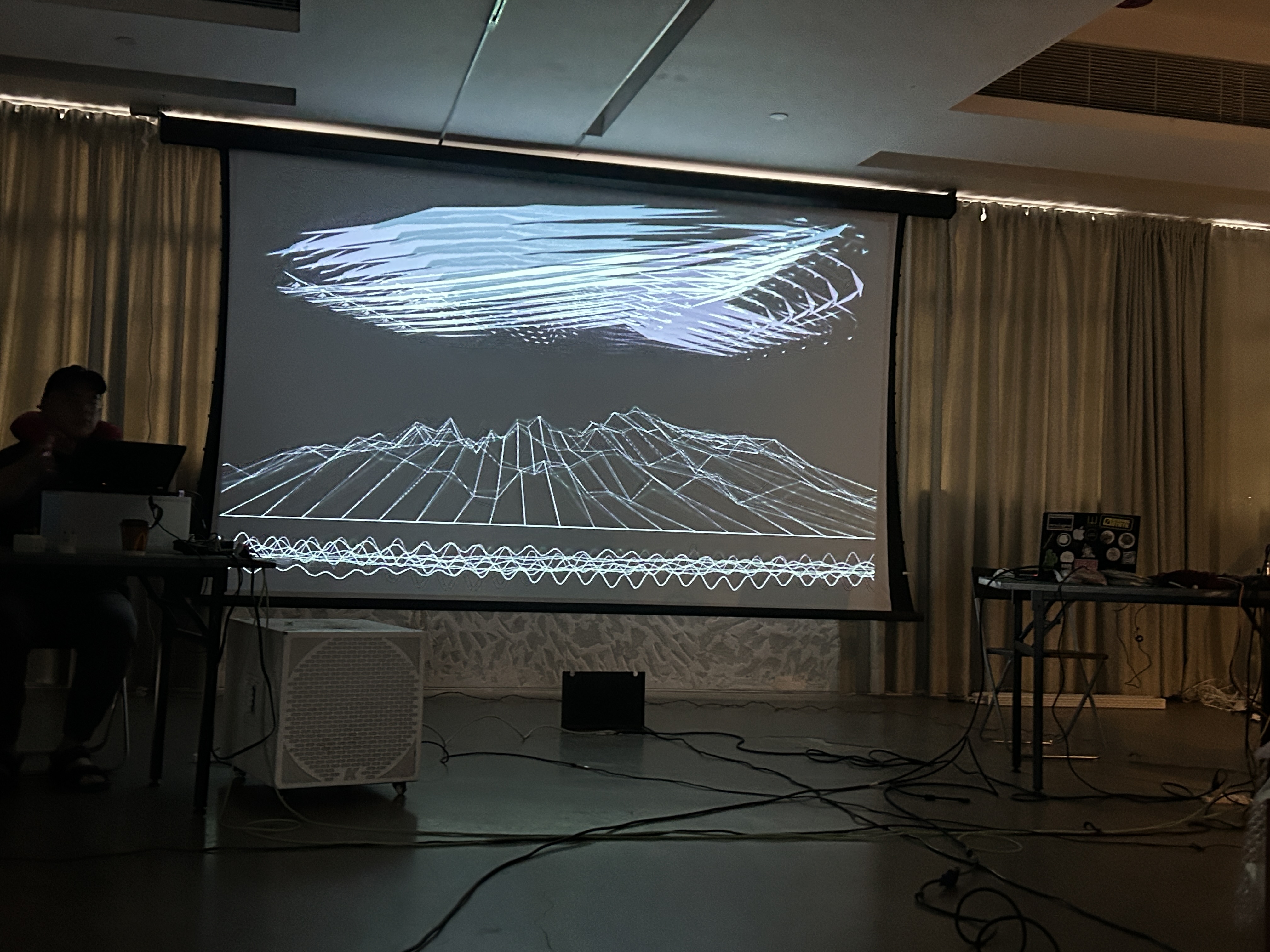
This performance program aims to bring the sound of the Thai live coding scene to an international stage. Sonic content presented in the performance ranges from experimental West Coast Buchla-ish sound art to ambient-driven techno and IDM accompanied by audio visualization through an array of analysis methods and techniques such as video synthesis and oscilloscope arts.
for BEAST FEaST 2025
for Laphatrada
Inspiration for “Tec(h)tonic” comes from studies of the pitch-rhythm continuum and waveshaping algorithms, the two main ingredients of any microsonic synthesis algorithm.
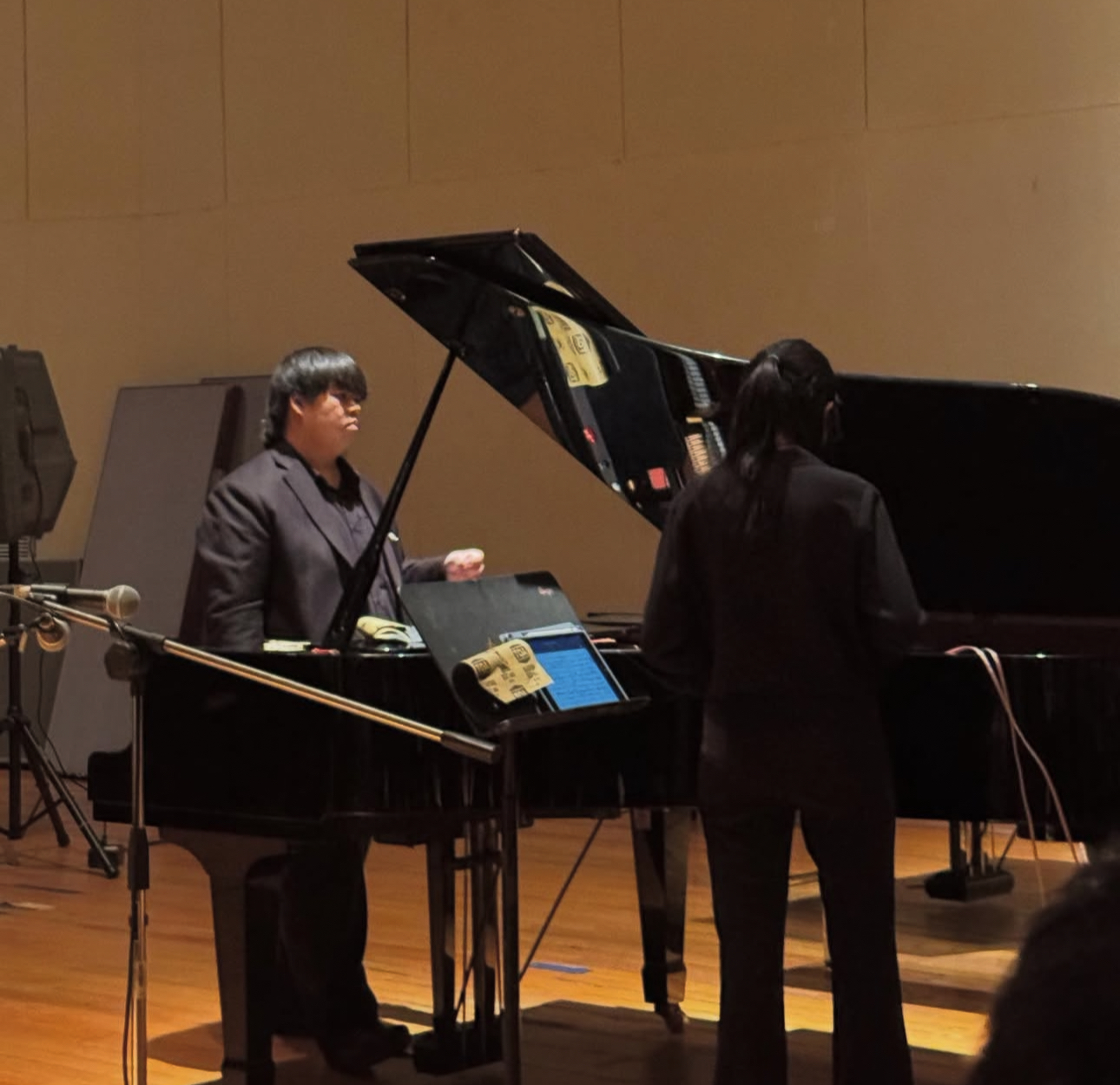
To create an electroacoustic work resembling acousmatic sonic art pieces, the composer devised a method to implement physical modelling synthesis in the acoustic sound world. Classical physical modelling synthesis consists of an “exciter” and a “material.” In this case, the components are substituted by using multiple subwoofers placed on a piano, respectively.
By operating according to the guidelines, the acoustic physical modelling synthesizer can yield a varied sonic palette from comically slow transients and unnaturally rapid decays, and vice versa, to satisfying “pings” present in modern esoteric sound production devices.
for JD, for the Fullers, thank you for taking care of me during my time in San Antonio
To take instructions is to follow the written text or rules, but if the notated instructions are improper, how would something be made of it?
The main idea of “Instructions Unclear” is based on many problematic encounters I had in the past when studying. Taking complex notes of things like Pure Data or Modular Synthesizer patches is a pain, especially when the spaghetti sea gets even more tangled. The results are often weird but capable timbres, and the result of this frequent occurrence would later become the concept of this piece. From unconventional patch notations to graphical scores with instructions, the main aim is irony, making the result of following crystal-clear instructions as messy as possible.
2026 commentary
Whilst I was searching for my "sound" in the making of Resonance Rebellion, Pursuit of Knowledge is perhaps my way of searching for the tools that I am comfortable with. Nowadays my music and sound art sounds nothing like what it was 3 years ago, but I am really proud of myself for finding my own methods and stepping away from YouTube tutorials.
2023 Program Notes
"Pursuit of Knowledge" is a collection of recordings from my live coding and VCV Rack practice sessions during summer school. The tracks on this EP are focused on ambience and improvisation-based practices of live coding.
An excerpt of music from Pursuit of Knowledge have been featured on the moving image work The Labor Was Mine (2026) by Yves Pokakunkanon.
2026 commentary
Resonance Rebellion always had a special place in my heart and brains, not as a nostalgic thing but rather a time when I was very naive yet I pushed out something very special. I was never really one to study too much into other kinds of music, as I was only starting to come out of my prog rock shell then. Thus, my relationship with electronic music in general had always been pretty complex at the start of my composition career. Nevertheless, to this day I am still quite amused at what I was able to achieve during my first year in this beautiful mess.
2023 Program Notes
"Resonance Rebellion" is a personal endeavour to expand techniques and knowledge of electronic music from Musique Concrete to modern techno and its subgenre. The album also serves as a tribute to science fiction and cyberpunk aesthetics in sound design and film scoring.
The aesthetics of the album took inspiration from the games Cyberpunk 2077 and Stray, Vangelis' score for Ridley Scott's Blade Runner (1982), Stephen Hawking's warnings regarding Artificial Intelligence and the modern concerns of AIs and its presence in modern arts.
length: 44 minutes 40 seconds (Spotify link below)
Volt Air, Pt. 3 - Curtis Roadsdouble portrait concert with Thanapat Ogaslert
'From Circuit to Subculture: DIY Instruments and Post-Acousmatic Practices' with Thanapat Ogaslert
will be gradually updated as my gallery is usually a mess